

Understanding Retaining Wall Blocks and Their Uses: Types of Wall Blocks Explained
Updated: Jan 26
When planning outdoor construction projects, choosing the right materials is crucial. One essential component for many landscaping and structural projects is the retaining wall. Retaining walls help manage soil erosion, create level areas on sloped land, and add aesthetic appeal to outdoor spaces. Central to these walls are the blocks used to build them. Understanding the different types of wall blocks and their uses can make a significant difference in the durability and appearance of your project.
In this article, I will guide you through the various types of wall blocks, their specific applications, and practical tips for selecting the best option for your needs. Whether you are working on a residential garden or a commercial property, this knowledge will help you make informed decisions.
Types of Wall Blocks: Exploring Your Options
There are several types of wall blocks available, each designed for specific purposes and styles. Knowing the differences can help you choose the right block for your retaining wall project.
Concrete Blocks
Concrete blocks are among the most common types of wall blocks. They are durable, affordable, and versatile. These blocks come in various shapes and sizes, including interlocking designs that make installation easier. Concrete blocks are ideal for both structural support and decorative purposes.
Natural Stone Blocks
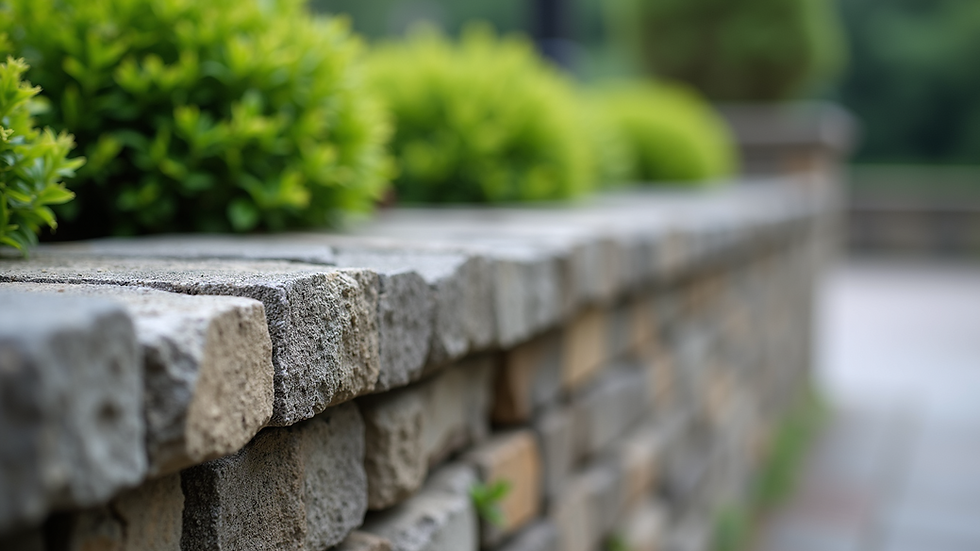
Natural stone blocks offer a timeless and elegant look. They are often used in high-end landscaping projects where aesthetics are a priority. Stones like granite, limestone, and sandstone provide excellent strength and weather resistance. However, natural stone blocks tend to be more expensive and require skilled labor for installation.
Segmental Retaining Wall Blocks
Segmental retaining wall blocks are designed specifically for retaining walls. They usually feature a lip or interlocking mechanism that helps stabilize the wall without the need for mortar. These blocks are popular for their ease of installation and flexibility in design. They come in various textures and colors, allowing for creative landscaping solutions.
Brick Blocks
Brick blocks provide a classic appearance and are often used in smaller retaining walls or garden borders. While not as strong as concrete or stone blocks, bricks can be an excellent choice for decorative walls that do not need to bear heavy loads.
Timber Blocks
Though not technically blocks, timber is sometimes used in retaining wall construction. Timber walls offer a natural look and are relatively easy to install. However, they have a shorter lifespan compared to stone or concrete and require regular maintenance to prevent rot and insect damage.

What is the 1/3 Rule for Retaining Walls?
Understanding the 1/3 rule is essential when building retaining walls to ensure stability and safety. This rule states that one-third of the retaining wall's total height should be buried below ground level. This buried portion acts as a foundation and counteracts the pressure exerted by the soil behind the wall.
For example, if your retaining wall is 3 feet tall, at least 1 foot should be below the surface. This rule helps prevent the wall from tipping forward or collapsing under the weight of the soil.
In addition to the 1/3 rule, proper drainage behind the wall is critical. Water buildup can increase pressure and cause failure. Installing drainage pipes or gravel backfill can alleviate this issue.
Following the 1/3 rule and incorporating good drainage practices will extend the life of your retaining wall and reduce maintenance needs.
Practical Uses of Retaining Wall Blocks in Outdoor Construction
Retaining wall blocks serve many purposes in outdoor construction projects. Here are some common applications:
Erosion Control: Retaining walls prevent soil erosion on sloped properties by holding back soil and reducing runoff.
Creating Level Spaces: They allow you to create flat terraces or garden beds on uneven terrain, making the land more usable.
Aesthetic Landscaping: Retaining walls add structure and visual interest to outdoor spaces. Using different types of wall blocks can complement your design style.
Property Boundaries: Walls can define property lines or separate different areas within a yard or commercial site.
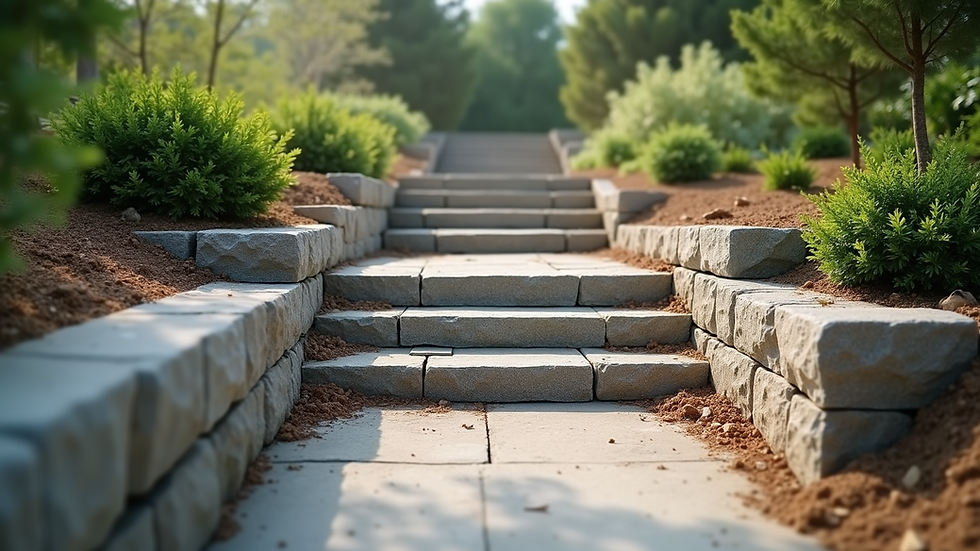
Supporting Driveways and Walkways: Retaining walls can support elevated driveways or pathways, ensuring stability and safety.
When selecting blocks for these uses, consider factors such as load-bearing requirements, weather conditions, and desired appearance. For example, segmental retaining wall blocks are excellent for structural support, while natural stone blocks enhance visual appeal.
Tips for Choosing the Right Retaining Wall Blocks
Choosing the right blocks for your retaining wall project involves several considerations:
Assess the Site Conditions: Evaluate soil type, slope steepness, and drainage. These factors influence the type of block and wall design needed.
Determine Wall Height and Load: Higher walls or those supporting heavy loads require stronger, interlocking blocks.
Consider Aesthetics: Match the block style and color to your overall landscape design for a cohesive look.
Budget Wisely: Balance cost with durability and appearance. While natural stone looks great, concrete blocks may offer better value for large projects.
Plan for Installation: Some blocks require professional installation, while others are DIY-friendly. Factor in labor costs and skills.
Check Local Regulations: Some areas have building codes or permits for retaining walls, especially those over a certain height.
By carefully considering these points, you can select blocks that meet both functional and design goals.
Enhancing Durability and Longevity of Retaining Walls
To ensure your retaining wall lasts for years, follow these best practices:
Proper Foundation: Excavate and compact the base properly before laying blocks.
Use Geogrid Reinforcement: For taller walls, geogrid materials add strength and prevent shifting.
Install Drainage Systems: Prevent water pressure buildup by including drainage pipes or gravel backfill.
Regular Maintenance: Inspect the wall periodically for cracks, bulges, or drainage issues and address them promptly.
Seal Blocks if Needed: Some blocks benefit from sealants to protect against moisture and staining.
These steps help maintain the structural integrity and appearance of your retaining wall over time.
Choosing the right types of wall blocks and understanding their uses is fundamental to successful outdoor construction projects. Whether you prioritize strength, aesthetics, or ease of installation, there is a block type suited to your needs. By following practical guidelines and best practices, you can create retaining walls that are both functional and visually appealing.
For those seeking high-quality materials and expert installation, partnering with a trusted provider like Titan Rockeries and Construction LLC ensures your project benefits from innovative and durable solutions tailored to your property. With the right knowledge and support, your outdoor space can achieve lasting beauty and stability.


Comments