

Breaking Down Retaining Wall Construction Costs and Retaining Wall Pricing
Building a retaining wall is a significant investment that enhances both the functionality and aesthetics of outdoor spaces. Whether you want to prevent soil erosion, create level areas on a sloped yard, or add a decorative element, understanding the costs involved is essential. Retaining wall pricing varies widely depending on materials, design, labor, and site conditions. In this post, I will break down the key factors influencing retaining wall construction costs and provide practical guidance to help you plan your project confidently.
Understanding Retaining Wall Pricing: What Influences the Cost?
Retaining wall pricing depends on several critical factors. Knowing these will help you anticipate expenses and make informed decisions.
Materials
The choice of materials is one of the biggest cost drivers. Common materials include:
Concrete blocks: Durable and versatile, concrete blocks are often cost-effective and easy to install.
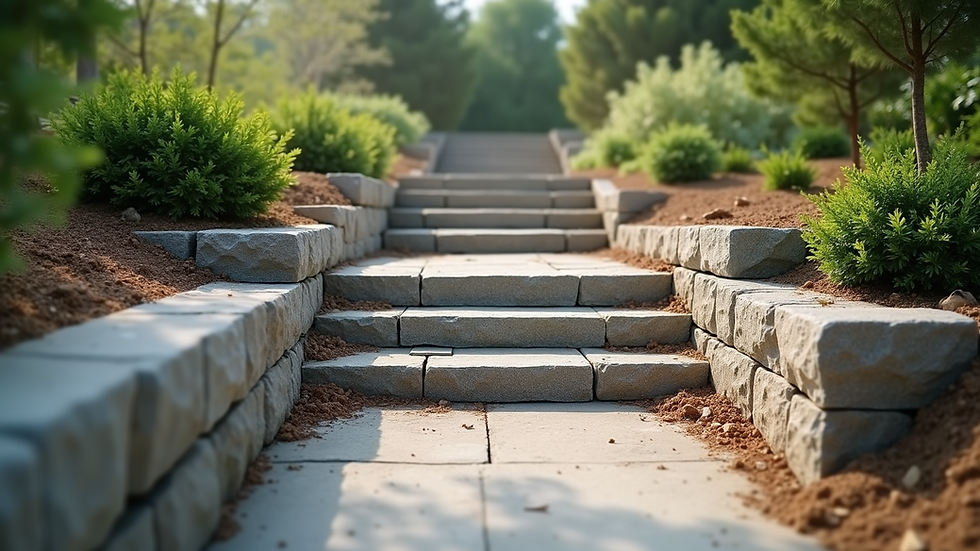
Natural stone: Offers a premium look but comes with higher material and labor costs.
Timber: Usually less expensive but may require more maintenance and have a shorter lifespan.
Brick: Provides a classic appearance but can be costly due to labor-intensive installation.
Each material has its own price range, and the quantity needed depends on the wall’s size and design.
Wall Size and Height
The larger and taller the wall, the more materials and labor are required. Taller walls often need additional engineering, such as drainage systems and reinforcements, which increase costs.
Site Conditions
The terrain and soil type affect construction complexity. Uneven or rocky ground may require excavation or grading, adding to the overall price. Accessibility also matters; if heavy equipment cannot reach the site easily, labor costs may rise.
Labor Costs
Skilled labor is essential for a durable retaining wall. Labor rates vary by region and contractor expertise. Choosing experienced professionals ensures quality work but may come at a premium.
Additional Features
Incorporating features like drainage pipes, lighting, or decorative caps will increase the price. These elements improve functionality and appearance but require extra materials and installation time.

How to Calculate Retaining Wall Cost?
Calculating the cost to build a retaining wall involves breaking down each component and estimating quantities and prices. Here is a step-by-step approach:
Measure the Wall Dimensions
Determine the length, height, and thickness of the wall. For example, a 50-foot long, 4-foot high wall with a 1-foot thickness.
Select Materials and Get Unit Prices
Research prices for your chosen material per square foot or per block. For instance, concrete blocks might cost $15 per square foot installed.
Estimate Material Quantity
Calculate the total square footage (length x height) and multiply by the thickness if needed. This gives you the volume or area to cover.
Include Labor Costs
Labor typically accounts for 40-60% of the total cost. Get quotes from contractors or use average hourly rates multiplied by estimated hours.
Add Site Preparation and Additional Features
Include costs for excavation, drainage, permits, and any extras like lighting or landscaping.
Calculate Total Cost
Sum all components to get an estimated total.
For example, a 50-foot long, 4-foot high concrete block wall might cost:
Materials: 200 sq ft x $15 = $3,000
Labor: $2,000
Site prep and extras: $1,000
Total: $6,000
This method helps you understand where your money goes and identify areas to adjust for budget control.
Common Retaining Wall Materials and Their Pricing
Choosing the right material affects both the look and the cost. Here’s a closer look at popular options:
Concrete Blocks
Concrete blocks are a popular choice due to their strength and affordability. They come in various shapes and finishes, allowing for creative designs. The average installed cost ranges from $15 to $30 per square foot.
Natural Stone
Natural stone walls offer unmatched beauty and durability. However, sourcing and handling stone is labor-intensive, pushing prices to $30-$50 per square foot or more. Stone walls are ideal for high-end projects where appearance is a priority.
Timber
Timber retaining walls are budget-friendly, typically costing $10-$25 per square foot. They are easier to install but may not last as long as stone or concrete, especially in wet climates.
Brick
Brick walls provide a timeless look but require skilled masons, making labor costs higher. Expect prices between $25 and $45 per square foot.
Gabion Walls
Gabion walls use wire cages filled with rocks. They are relatively quick to install and cost-effective, averaging $20-$40 per square foot depending on rock type.

Tips to Manage Retaining Wall Construction Costs
Managing costs without compromising quality is possible with careful planning. Here are some actionable tips:
Choose materials wisely: Balance aesthetics and budget by selecting materials that fit your style and price range.
Keep the wall height reasonable: Taller walls require more engineering and materials, increasing costs.
Prepare the site yourself: If feasible, handle clearing and minor grading to reduce labor expenses.
Get multiple quotes: Compare bids from several contractors to find competitive pricing.
Plan for drainage: Proper drainage prevents costly repairs later.
Consider modular systems: Precast blocks or kits can simplify installation and reduce labor time.
Why Investing in Quality Retaining Walls Pays Off
While it might be tempting to cut corners, investing in quality materials and professional installation ensures your retaining wall lasts for decades. A well-built wall prevents soil erosion, protects your property, and adds value. Poorly constructed walls can fail, leading to expensive repairs and safety hazards.
By understanding the factors that influence retaining wall pricing and carefully calculating your project costs, you can make smart decisions that protect your investment.
For a detailed estimate tailored to your project, consider consulting with experts who specialize in outdoor construction and landscaping. They can provide insights on the best materials and designs for your needs.
If you want to learn more about the cost to build a retaining wall, this resource offers comprehensive pricing information and guidance.
Planning Your Retaining Wall Project with Confidence
Breaking down retaining wall construction costs helps you approach your project with clarity and control. By considering materials, size, site conditions, and labor, you can create a realistic budget and timeline. Remember to prioritize quality and professional expertise to ensure your retaining wall stands strong and looks great for years to come.
Whether you are enhancing a residential garden or a commercial property, a well-planned retaining wall is a valuable addition. Take the time to research, plan, and consult with professionals to achieve the best results.
By following these guidelines, you can confidently navigate the complexities of retaining wall pricing and construction costs. Your outdoor space deserves durable, attractive solutions that add both function and beauty.


Comments