

Choosing the Right Garden Edge Materials for Your Outdoor Space
Creating a well-defined garden space is essential for both aesthetic appeal and practical maintenance. Selecting the right garden edge materials can transform your landscape, providing clear boundaries and enhancing the overall design. Whether you are working on a residential garden or a commercial outdoor area, the choice of edging materials plays a crucial role in durability, style, and functionality.
In this post, I will guide you through the process of choosing the right garden edge materials. I will cover the types available, their benefits, common mistakes to avoid, and tips for installation. By the end, you will have a clear understanding of how to select the best materials to suit your project’s needs.
Understanding Different Garden Edge Materials
When it comes to garden edge materials, there is a wide variety to choose from. Each type offers unique advantages depending on the look you want to achieve and the level of maintenance you are prepared to handle. Here are some of the most popular options:
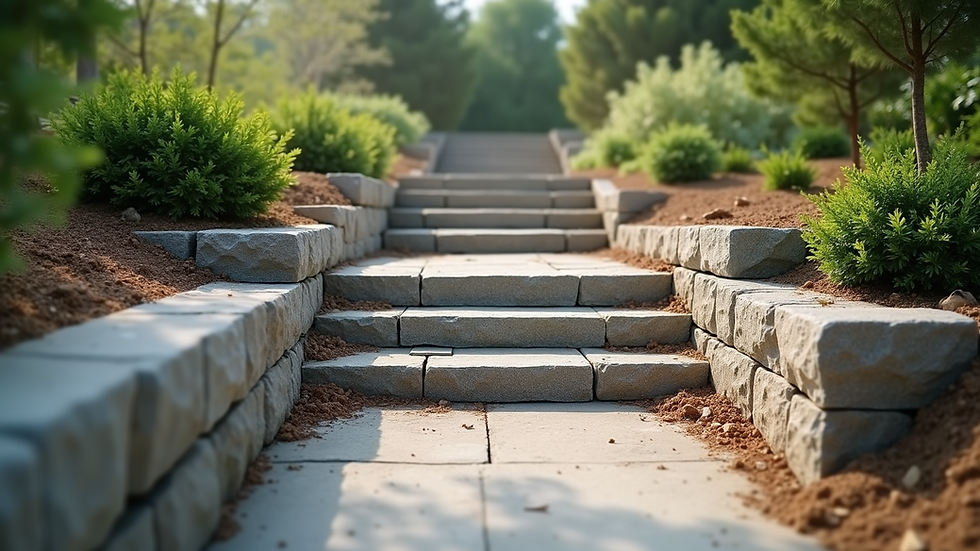
Natural Stone: Stones like flagstone, slate, and granite provide a timeless, elegant look. They are highly durable and can withstand harsh weather conditions. Natural stone is ideal for creating a rustic or classic garden edge.
Concrete Edging: Concrete is versatile and can be molded into various shapes and sizes. It is cost-effective and long-lasting, making it a practical choice for both homeowners and commercial clients.
Brick Edging: Bricks offer a traditional appearance and are easy to install. They can be laid in different patterns to add visual interest.
Metal Edging: Steel or aluminum edging provides a sleek, modern look. It is flexible and can be shaped to fit curves and unusual garden layouts.
Wood Edging: Treated wood or timber can create a warm, natural border. However, wood requires regular maintenance to prevent rot and insect damage.
Plastic or Rubber Edging: These materials are lightweight and easy to install. They are often used for temporary or budget-friendly solutions but may not be as durable as other options.
Each material has its place depending on your garden’s style, budget, and the level of upkeep you desire.

Factors to Consider When Choosing Garden Edge Materials
Selecting the right garden edge materials involves more than just picking what looks good. Several practical factors influence the decision:
Durability: Consider how long the material will last in your climate. For example, natural stone and concrete are highly durable, while wood may degrade faster in wet conditions.
Maintenance: Some materials require more upkeep than others. Metal and plastic edging need minimal maintenance, whereas wood may need sealing or replacement over time.
Installation: Think about how easy the material is to install. Concrete and stone may require professional installation, while plastic or metal edging can often be installed by homeowners.
Cost: Budget is always a factor. Natural stone and brick tend to be more expensive, while plastic and wood are generally more affordable.
Aesthetic Compatibility: The edging should complement your garden’s style and the architecture of your home or commercial building.
Functionality: Consider what you want the edging to do. Is it purely decorative, or do you need it to keep mulch, soil, or gravel contained?
By weighing these factors carefully, you can choose materials that not only look great but also perform well over time.
What are common mistakes when edging?
Even with the best intentions, mistakes can happen during garden edging projects. Avoiding these common errors will save you time, money, and frustration:
Ignoring Soil Preparation: Failing to properly prepare the soil can cause edging materials to shift or sink. Always level and compact the soil before installation.
Choosing the Wrong Material for the Climate: Some materials are not suited for extreme weather. For example, untreated wood can rot quickly in damp environments.
Not Considering Root Growth: Plant roots can push up edging materials if they are not installed deep enough or if the wrong type of edging is used.
Overlooking Drainage: Poor drainage can lead to water pooling along the edge, which damages both plants and edging materials.
Improper Height Selection: Edging that is too low may not contain mulch or soil effectively, while edging that is too high can look bulky and out of place.
Skipping Professional Help When Needed: Complex designs or heavy materials like stone may require expert installation to ensure longevity and safety.
By being aware of these pitfalls, you can plan your project more effectively and achieve a professional finish.

How to Install Garden Edge Materials Correctly
Proper installation is key to maximizing the lifespan and appearance of your garden edge materials. Here are some actionable steps to follow:
Plan Your Layout: Mark the edge line with string or spray paint. This helps ensure a straight or smoothly curved edge.
Prepare the Ground: Dig a trench along the marked line. The depth should accommodate the height of the edging material plus a few inches for a base layer.
Add a Base Layer: Use gravel or sand to create a stable base. Compact it firmly to prevent shifting.
Place the Edging Material: Set stones, bricks, or other materials into the trench. Use a level to keep the edge even.
Secure the Edging: For some materials, use stakes, adhesive, or mortar to hold them in place.
Backfill and Compact: Fill the trench with soil or sand behind the edging to lock it in place.
Finish with Mulch or Soil: Add mulch or soil on the garden side to complete the look and help retain moisture.
Following these steps carefully will ensure your garden edge materials stay put and look great for years.
Enhancing Your Outdoor Space with the Right Garden Edge Materials
Choosing the right garden edge materials is an investment in your outdoor space’s beauty and functionality. Whether you prefer the natural charm of stone, the clean lines of metal, or the classic appeal of brick, the right edging can define your garden’s character.
For those seeking expert advice and high-quality materials, I recommend exploring options from trusted providers like garden edging stones. They offer a range of durable and stylish materials suitable for both residential and commercial projects.
By selecting the appropriate materials and installing them correctly, you create a lasting impression that enhances curb appeal and simplifies garden maintenance. Take your time to evaluate your needs, plan carefully, and enjoy the transformation that well-chosen garden edge materials bring to your outdoor environment.


Comments