

Professional Outdoor Living Space Design Insights for Outdoor Space Design Professionals
Creating an outdoor living space that is both functional and visually appealing requires a deep understanding of design principles, materials, and client needs. As outdoor space design professionals, we must blend creativity with practicality to deliver spaces that enhance lifestyle and add value. In this post, I share professional insights into designing outdoor living spaces that stand the test of time and meet diverse client expectations.
Understanding the Role of Outdoor Space Design Professionals
Outdoor space design professionals play a crucial role in transforming ordinary yards into extraordinary living environments. Our expertise goes beyond aesthetics; it includes site analysis, material selection, and sustainable practices. When planning an outdoor living area, I start by assessing the site’s natural features, sunlight patterns, and existing vegetation. This helps in positioning elements like patios, pergolas, and fire pits for maximum comfort and usability.
One key aspect is balancing hardscape and softscape elements. Hardscape refers to the non-living features such as stone pathways, retaining walls, and seating areas. Softscape includes plants, trees, and lawns. A well-designed outdoor space integrates both seamlessly, creating harmony and inviting ambiance.
For example, using natural stone for patios complements lush greenery and flowering plants, providing texture and color contrast. Additionally, incorporating native plants reduces maintenance and supports local ecosystems. These choices reflect the expertise expected from outdoor space design professionals.

Essential Design Elements for Outdoor Living Spaces
When designing outdoor living spaces, several elements must be considered to ensure functionality and style. These include zoning, lighting, furniture, and weather protection. Each element contributes to the overall experience and usability of the space.
Zoning and Layout
Zoning divides the outdoor area into functional sections such as dining, lounging, cooking, and play areas. Clear zoning helps clients enjoy multiple activities without interference. For instance, placing a grill station near the dining area enhances convenience, while a fire pit with comfortable seating creates a cozy gathering spot.
Lighting
Proper lighting extends the usability of outdoor spaces into the evening hours. I recommend layering lighting with ambient, task, and accent types. Ambient lighting provides general illumination, task lighting focuses on specific activities like cooking, and accent lighting highlights architectural or landscape features.
Furniture and Materials
Choosing durable, weather-resistant furniture is vital. Materials like teak, aluminum, and synthetic wicker withstand outdoor conditions while maintaining comfort and style. Cushions with quick-dry fabrics add to the longevity and ease of maintenance.
Weather Protection
Incorporating elements such as pergolas, retractable awnings, or umbrellas protects users from sun and rain. These features increase the space’s usability throughout the year, making the investment worthwhile.
Collaborating with Outdoor Living Space Designers
Working with outdoor living space designers enhances project outcomes by combining specialized skills and creative vision. These professionals bring innovative ideas and technical knowledge that elevate the design process.
For example, outdoor living space designers often suggest integrating smart irrigation systems that conserve water while keeping plants healthy. They also recommend sustainable materials that reduce environmental impact without compromising aesthetics.
Collaboration ensures that every detail, from drainage solutions to lighting controls, is thoughtfully planned and executed. This partnership results in outdoor living spaces that are not only beautiful but also practical and sustainable.

Practical Tips for Durable and Innovative Outdoor Spaces
Durability and innovation are key to creating outdoor living spaces that last and impress. Here are some practical tips I follow to achieve these goals:
Select High-Quality Materials
Use materials designed for outdoor use, such as natural stone, composite decking, and powder-coated metals. These materials resist weathering and require less maintenance.
Plan for Drainage and Water Management
Proper drainage prevents water pooling and damage. Incorporate permeable surfaces and grading to direct water away from structures.
Incorporate Multi-Functional Features
Design elements that serve multiple purposes add value. For example, a bench with built-in storage or a fire pit that doubles as a table.
Use Sustainable Practices
Choose native plants, install rainwater harvesting systems, and use energy-efficient lighting to reduce environmental impact.
Consider Seasonal Changes
Design with all seasons in mind. Include evergreen plants for winter interest and shade structures for summer comfort.
By applying these tips, outdoor space design professionals can deliver spaces that meet client expectations for quality, innovation, and longevity.
Enhancing Outdoor Spaces with Custom Rockeries and Hardscapes
Custom rockeries and hardscapes add character and structure to outdoor living spaces. They serve both aesthetic and functional purposes, such as erosion control, seating, and defining garden areas.
At Titan Rockeries and Construction LLC, we specialize in creating rockeries that blend naturally with the landscape. Using a variety of stone types and sizes, we build features that complement the overall design theme. For example, a terraced rockery can create planting pockets and visual interest on a sloped yard.
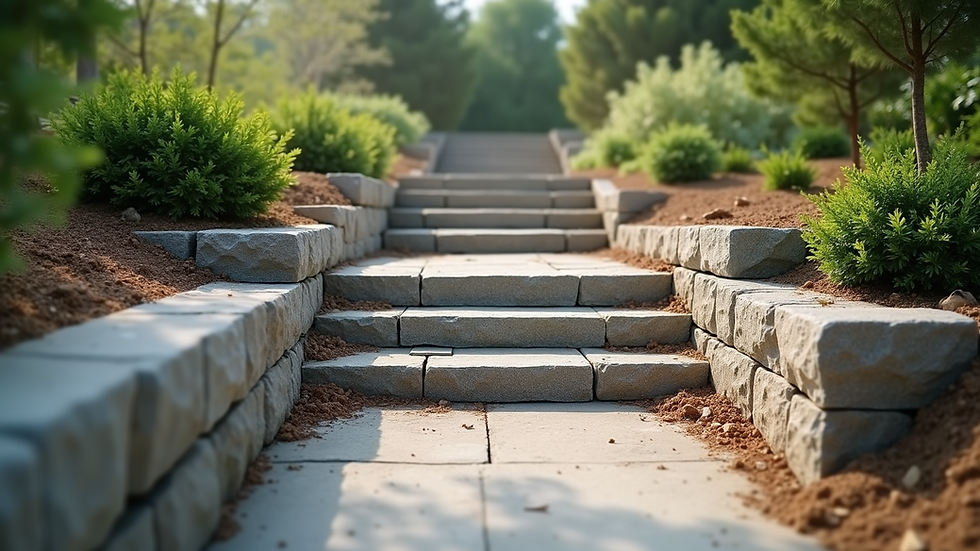
Hardscapes like retaining walls, pathways, and steps improve accessibility and usability. They also provide a solid foundation for outdoor furniture and fixtures. When designing these elements, I focus on durability and style, ensuring they withstand weather conditions while enhancing the space’s beauty.
Incorporating custom rockeries and hardscapes is a hallmark of professional outdoor space design professionals who aim to deliver comprehensive and lasting solutions.
Designing outdoor living spaces requires a blend of creativity, technical knowledge, and attention to detail. By understanding the role of outdoor space design professionals, focusing on essential design elements, collaborating with experts, and applying practical tips, you can create outdoor environments that are both beautiful and functional. Incorporating custom rockeries and durable hardscapes further elevates these spaces, making them truly exceptional.
If you are planning an outdoor construction or landscaping project, consider these insights to guide your design process and achieve outstanding results.


Comments