

Understanding Retaining Wall Construction Costs: A Comprehensive Guide
Building a retaining wall is a significant investment that enhances both the functionality and aesthetics of your outdoor space. Whether you want to prevent soil erosion, create level areas on a sloped yard, or add a decorative element, understanding the retaining wall construction costs is essential. This guide breaks down the factors influencing these costs and offers practical advice to help you plan your project effectively.
Factors Influencing Retaining Wall Construction Costs
Several elements affect the overall price of building a retaining wall. Knowing these factors helps you anticipate expenses and make informed decisions.
Materials
The choice of materials plays a crucial role in determining the cost. Common options include:
Concrete blocks: Durable and relatively affordable, concrete blocks are popular for many retaining walls.
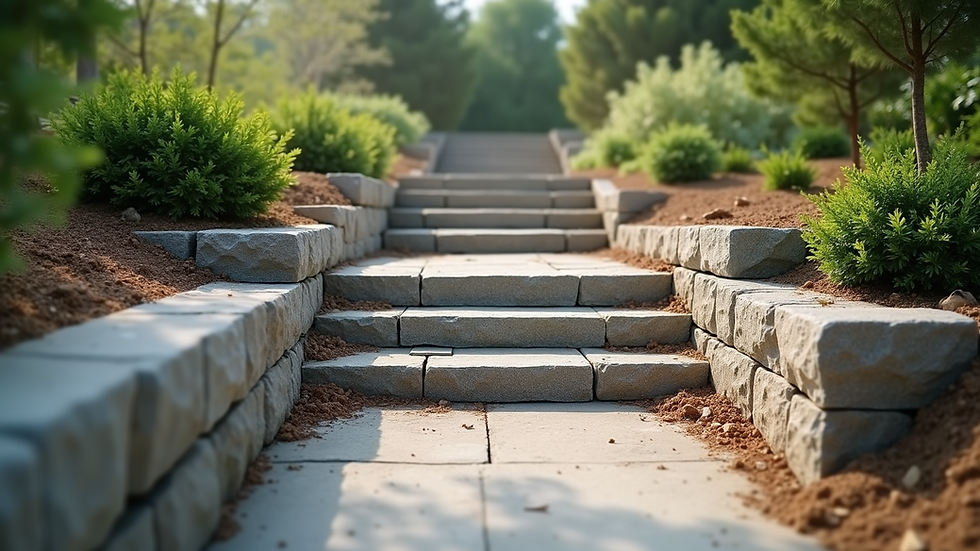
Natural stone: Offers a beautiful, natural look but tends to be more expensive due to material and labor costs.
Timber: Often the least expensive option but may require more maintenance and have a shorter lifespan.
Brick: Provides a classic appearance but can be costly depending on the type and quality.
Each material has its price range, installation complexity, and maintenance requirements. For example, natural stone walls require skilled labor, which increases labor costs.
Wall Size and Height
The size and height of the retaining wall directly impact the cost. Taller walls need stronger foundations and sometimes additional reinforcement, which adds to the expense. A longer wall requires more materials and labor, increasing the total price.
Site Conditions
The condition of your site affects construction difficulty and cost. Factors include:
Soil type: Rocky or unstable soil may require extra excavation or foundation work.
Slope steepness: Steeper slopes can complicate installation.
Accessibility: Limited access for machinery or materials can increase labor time and costs.
Drainage and Reinforcement
Proper drainage is vital to prevent water pressure buildup behind the wall, which can cause failure. Installing drainage systems, such as gravel backfill and perforated pipes, adds to the cost. Additionally, some walls require reinforcement with geogrids or steel bars, especially for higher or load-bearing walls.
Labor Costs
Labor rates vary by region and the complexity of the project. Skilled labor ensures the wall is built safely and lasts longer, so it is worth investing in experienced professionals.

Retaining Wall Construction Costs: What to Expect
Understanding typical cost ranges helps set realistic expectations. Here is a general breakdown:
Low-end retaining walls (timber or basic concrete blocks): $15 to $30 per square foot.
Mid-range walls (natural stone or decorative concrete blocks): $30 to $50 per square foot.
High-end walls (custom stonework, reinforced structures): $50 to $100+ per square foot.
These prices include materials, labor, and basic site preparation but may exclude additional features like drainage systems or landscaping.
For example, a 100-square-foot wall made of natural stone might cost between $3,000 and $5,000. If the site requires extensive excavation or reinforcement, expect the price to increase accordingly.
How to Calculate Retaining Wall Cost?
Calculating the cost to build a retaining wall involves several steps. Here is a straightforward method to estimate your project expenses:
Measure the wall dimensions: Determine the length and height of the wall in feet.
Calculate the square footage: Multiply length by height.
Choose your material cost per square foot: Use the price range for your selected material.
Estimate labor costs: Labor typically accounts for 30% to 50% of the total cost.
Add site preparation and drainage costs: Include any additional expenses for excavation, drainage, or reinforcement.
Include a contingency: Set aside 10% to 15% of the total estimate for unexpected costs.
For example, if you plan a 50-foot-long, 4-foot-high wall using mid-range materials at $40 per square foot:
Square footage = 50 x 4 = 200 sq ft
Material cost = 200 x $40 = $8,000
Labor (40%) = $3,200
Site prep and drainage = $1,000 (estimate)
Contingency (10%) = $1,120
Total estimated cost = $8,000 + $3,200 + $1,000 + $1,120 = $13,320
This method provides a solid starting point for budgeting your retaining wall project.

Tips to Manage Retaining Wall Construction Costs
Managing your budget effectively ensures you get the best value without compromising quality. Consider these tips:
Plan carefully: Accurate measurements and clear design plans reduce costly changes during construction.
Choose materials wisely: Balance aesthetics, durability, and cost. Sometimes, combining materials can save money.
Hire experienced professionals: Skilled contractors avoid mistakes that lead to expensive repairs.
Prepare the site yourself: If possible, handle simple tasks like clearing vegetation or minor grading.
Request multiple quotes: Compare bids from different contractors to find competitive pricing.
Consider phased construction: Build the wall in stages if budget constraints exist.
Long-Term Value of a Well-Built Retaining Wall
Investing in a quality retaining wall pays off over time. A properly constructed wall:
Prevents soil erosion and damage to your property.
Enhances curb appeal and increases property value.
Creates usable outdoor space for gardening, seating, or pathways.
Requires less maintenance and fewer repairs.
Choosing durable materials and professional installation ensures your retaining wall remains a valuable asset for years to come.
If you want to learn more about the cost to build a retaining wall, feel free to explore detailed pricing guides and expert advice to help you plan your project confidently.


Comments